
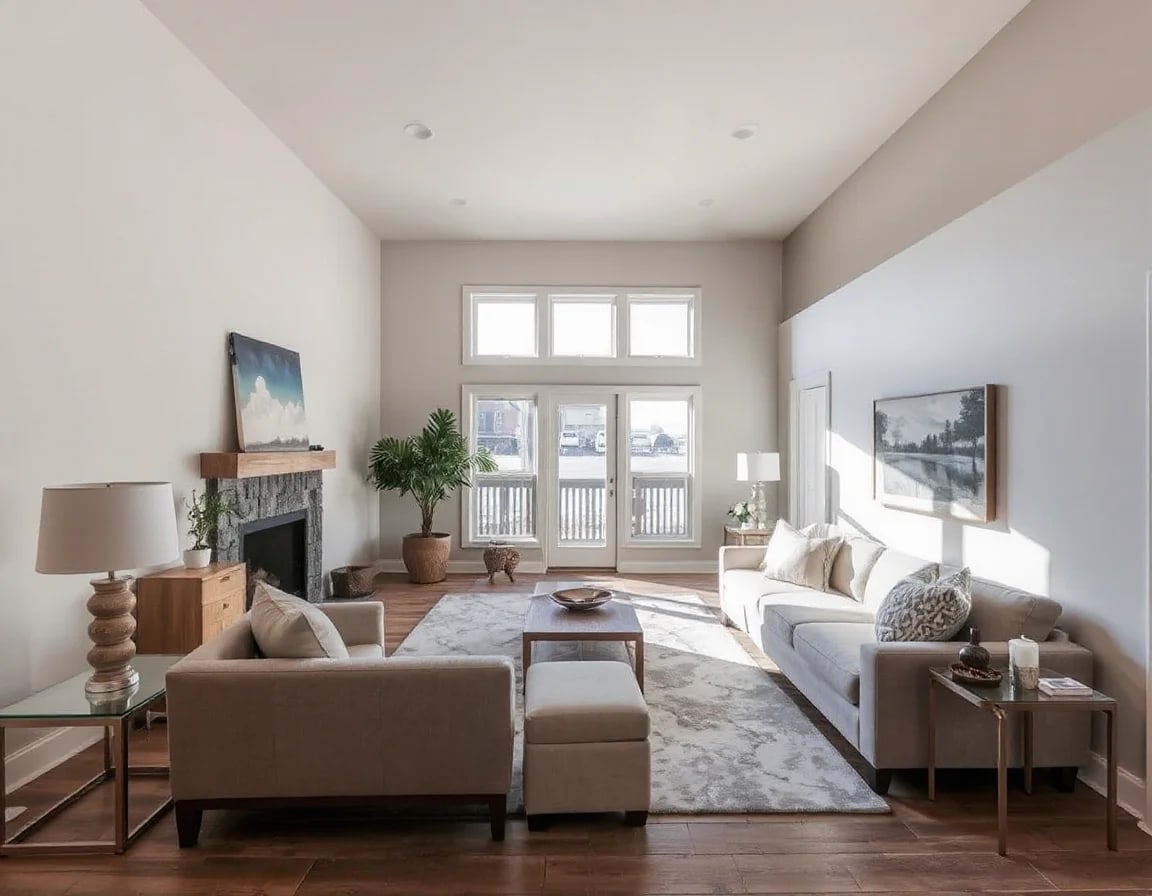
Preparing a Northern California home for sale is less about chasing every upgrade and more about making the property easy to understand, easy to tour, and easy to compare. A focused plan for repairs, presentation, pricing, and showing readiness can help buyers see the value of the home from their first online scroll through the final walkthrough.
Begin With a Clear, Practical Selling Plan
Getting a home ready for the market can feel like a long list of unfinished projects, especially when daily life has filled closets, counters, garages, and outdoor spaces over time. The most effective preparation starts by separating work into three categories: essential repairs, high-impact presentation updates, and projects that may not return their cost. In Northern California, where buyers often compare condition, location, lot use, energy features, and maintenance needs closely, a well-organized home can make a stronger impression than one with an expensive but mismatched renovation.

Start with a room-by-room walk-through using a buyer’s perspective. Look for small items that can quietly affect the overall impression: sticking doors, cracked switch plates, leaking faucets, burned-out bulbs, worn caulk, damaged screens, or cluttered utility areas. These details do not always require a major budget, but addressing them signals that the property has been cared for. It also reduces the chance that a simple visible issue becomes a larger question about deferred maintenance.
Outside, focus on the route from the street to the front door. Trim back overgrown plants, clear leaves from paths and gutters, rinse exterior surfaces where appropriate, and make house numbers easy to spot. Northern California properties can have a broad mix of landscaping, from coastal plantings to mature trees and low-water gardens. The goal is not to create a generic yard; it is to present outdoor areas as clean, usable, and manageable. If a deck, fence, gate, or drainage feature needs attention, take care of it before photographs and showings whenever possible.
A seller’s best preparation budget often goes first to visible repairs, lighting, paint touch-ups, and landscaping cleanup before larger projects are considered.
Before committing to upgrades, consider how buyers will evaluate the home against other current listings. A full kitchen remodel may not be necessary if the cabinetry is sound, the layout works, and the space can be improved through deep cleaning, updated hardware, neutral paint, and better lighting. On the other hand, an aging roof, a clearly damaged floor, or a nonfunctioning appliance may require more direct attention. A local market review can help distinguish between worthwhile preparation and improvements that are unlikely to influence the final result.
Make Each Space Easy to See and Understand
Good presentation does not mean removing every sign of real life. It means helping visitors notice the rooms, storage, light, flow, and features of the home without visual distractions competing for attention. Begin by editing surfaces: clear kitchen counters, bathroom vanities, entry tables, and laundry areas. Pack away seasonal décor, excess furniture, personal paperwork, and bulky items that make rooms appear smaller than they are.
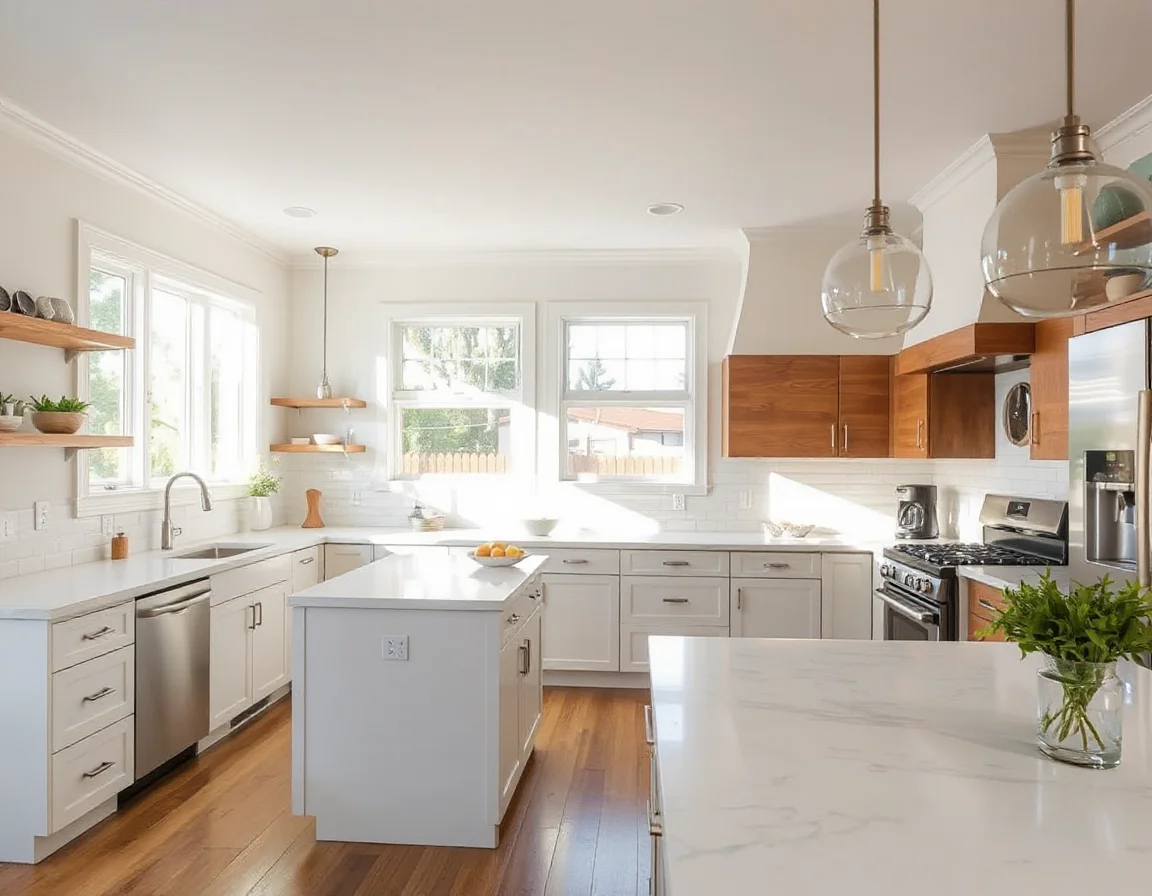
Storage deserves special attention. Buyers frequently open pantry doors, cabinets, closets, and garage spaces to understand how a home functions. Rather than trying to hide everything, reduce what is stored inside and arrange the remaining items neatly. A half-full closet often reads as more spacious and useful than one packed tightly to the ceiling. The same approach applies to utility rooms, sheds, and under-sink cabinets: clean, organized areas make it easier to evaluate the home’s systems and capacity.
Light is another high-value preparation tool. Replace mismatched or dim bulbs, open curtains before photography, and make sure windows are clean inside and out. If a room feels dark, consider whether a lamp, lighter bedding, or a simplified furniture arrangement can improve it. In coastal and inland parts of Northern California, natural light may vary considerably through the day, so schedule photography and showings with the property’s best lighting periods in mind.
A neutral, clean palette generally photographs well and allows buyers to focus on permanent features. That does not require stripping every room of personality. A carefully chosen rug, artwork without personal information, fresh towels, a few plants, and simple bedding can add warmth while keeping the setting broadly appealing. If walls have bold colors, scuffs, patch marks, or unfinished repairs, repainting can be one of the most straightforward ways to refresh a room.
For listing photos, clear counters and floors usually matter more than adding extra décor; open visual space helps rooms read accurately online.
Do not overlook odor and sound. Air out the home, clean fabrics, empty trash, and address pet areas, smoke residue, or persistent cooking odors before showings begin. During a tour, buyers may notice exterior traffic, mechanical equipment, or neighboring activity, so it can be helpful to understand the home’s everyday sound patterns and present interior spaces at their best. Calm, comfortable showing conditions let visitors spend more time evaluating the home itself.
Prepare for Pricing, Photography, and Showings
Condition and presentation matter, but they work best alongside a pricing strategy grounded in current local data. Northern California markets can vary sharply from one community to the next, and even nearby homes may differ in value because of lot characteristics, views, access, updates, property type, or current inventory. Recent comparable sales, active competition, and buyer activity provide a more useful starting point than a broad regional headline or an online estimate alone.
Once a listing date is in view, create a simple timeline. Finish repairs first, then clean deeply, declutter, stage key areas, photograph the home, and prepare for showings. Leaving repairs until the final week can create unnecessary pressure and may limit the time available for quality photography. A written checklist also helps keep the household coordinated: what gets packed, what stays for staging, which items must be secured, and what should happen before every appointment.
Professional-quality listing photos are a major part of the first impression because many buyers begin their search online. Every image should support the story of the property: the street approach, exterior character, main living spaces, kitchen, bathrooms, yard, views where applicable, and special features that are difficult to understand through words alone. Avoid overfilling rooms for photos. A clean image that shows scale and natural light is more useful than a heavily decorated image that obscures the layout.
If showings are scheduled, keep a short daily reset routine. Make beds, clear counters, put away dishes, open blinds, switch on selected lights, and secure valuables and medications. Pet arrangements should be planned ahead so appointments can be as smooth as possible for everyone. Sellers do not need to make the home look like a showroom every hour of the day, but a repeatable routine can make short-notice visits more manageable.
Use Local Insight Before Spending on Major Updates
Some homes benefit from targeted improvements before listing, while others are better served by transparent pricing and a clean, well-maintained presentation. The right path depends on the property, the competition, available time, and the likely return on each project. Before replacing floors, renovating a bath, or making structural changes, ask how the work will affect marketability, timing, and the home’s position among comparable listings.
Documentation can also add clarity. Gather records for permitted work, significant repairs, warranties, utility upgrades, inspections, and service history when available. These materials do not replace required disclosures, but having information organized can help answer practical questions during the selling process. If there are known maintenance items, addressing them early or planning how to disclose them accurately is usually more productive than waiting for a buyer to discover them later.
Preparing to sell is ultimately about reducing friction. A clean exterior invites a closer look, an orderly interior makes the layout legible, and a thoughtful strategy gives the listing a consistent message from photos to showings. With a prioritized plan and a realistic understanding of the local market, sellers can move forward confidently without feeling obligated to renovate every corner of the property.