

A strong first impression is built before a buyer opens a cabinet or measures a room. These five practical Salinas seller fixes focus attention on the features that photographs, showings, and buyer feedback reveal most quickly: curb appeal, light, maintenance, scale, and readiness. Tackle them in a thoughtful order, and your home can feel more polished without turning preparation into a full renovation.
Start With the View From the Street
Buyers often form an initial opinion in the first few moments after arriving, which makes the exterior a high-value place to begin. In Salinas, where bright sun, coastal influence, and seasonal winds can make small wear-and-tear details more visible, a fresh exterior check is especially worthwhile. Walk to the curb, pause, and look at the property as if you were seeing it for the first time. Notice paint touch-ups, a leaning house number, a cluttered entry, tired planters, or a front path that needs sweeping.

Fix one is a curb-appeal reset. Mow or tidy the landscape, edge where practical, remove dead foliage, clear cobwebs, and make sure the front door, porch light, and hardware look clean and functional. This is not about making every yard look identical. It is about presenting the outdoor space as cared for and easy to understand. A simple container planting, a clean doormat, and a hose stored neatly can create a more intentional arrival experience.
Also look up. Gutters, rooflines, eaves, and exterior light fixtures are details buyers may notice while waiting at the door. If something appears loose, stained, or unfinished, address it when possible or be ready to provide clear information about its condition. A well-maintained exterior helps visitors move into the showing focused on the home’s possibilities rather than a growing list of questions.
A curbside review is most useful when you do it at the same time of day that showings or listing photos are likely to happen; shadows can reveal landscaping gaps, faded paint, and entry clutter that are easy to miss otherwise.
Make Light Work Harder Indoors
Natural light can change how buyers perceive a room’s size, finish, and overall condition. Before photography and before every showing, open blinds and curtains, raise shades evenly, and clean the inside of prominent windows. Replace bulbs that are burned out, mismatched, or overly cool in color. A consistent warm-white light throughout the home generally makes it easier to read the spaces without creating distracting shifts from room to room.
Fix two is a lighting and window pass. Start with the rooms where buyers tend to spend the most time: the living area, kitchen, primary bedroom, and any room that serves as a flexible office, hobby, or guest space. Remove heavy items blocking windows, then assess whether furniture placement allows a clear path for light to travel into the room. If a window covering is dated but serviceable, fully opening it may be more effective than replacing it immediately.
Light fixtures deserve a quick cleaning as well. Dusty globes, insect debris, and dead bulbs can make an otherwise cared-for room feel overlooked. In hallways or smaller rooms, add light only where it improves visibility; too many lamps and cords can create visual clutter. The goal is not theatrical staging. It is a bright, comfortable environment in which buyers can notice the layout and finishes.
Handle Small Repairs Before They Become Big Distractions
During a showing, buyers may not remember every decorative detail, but they often remember a dripping faucet, a sticky closet door, or a switch plate that is missing. These are modest fixes, yet they can influence how well-maintained the home appears. Create a room-by-room list and test what can be tested: doors, drawers, faucets, toilets, lights, fans, outlets, cabinet hardware, window latches, and visible irrigation components.
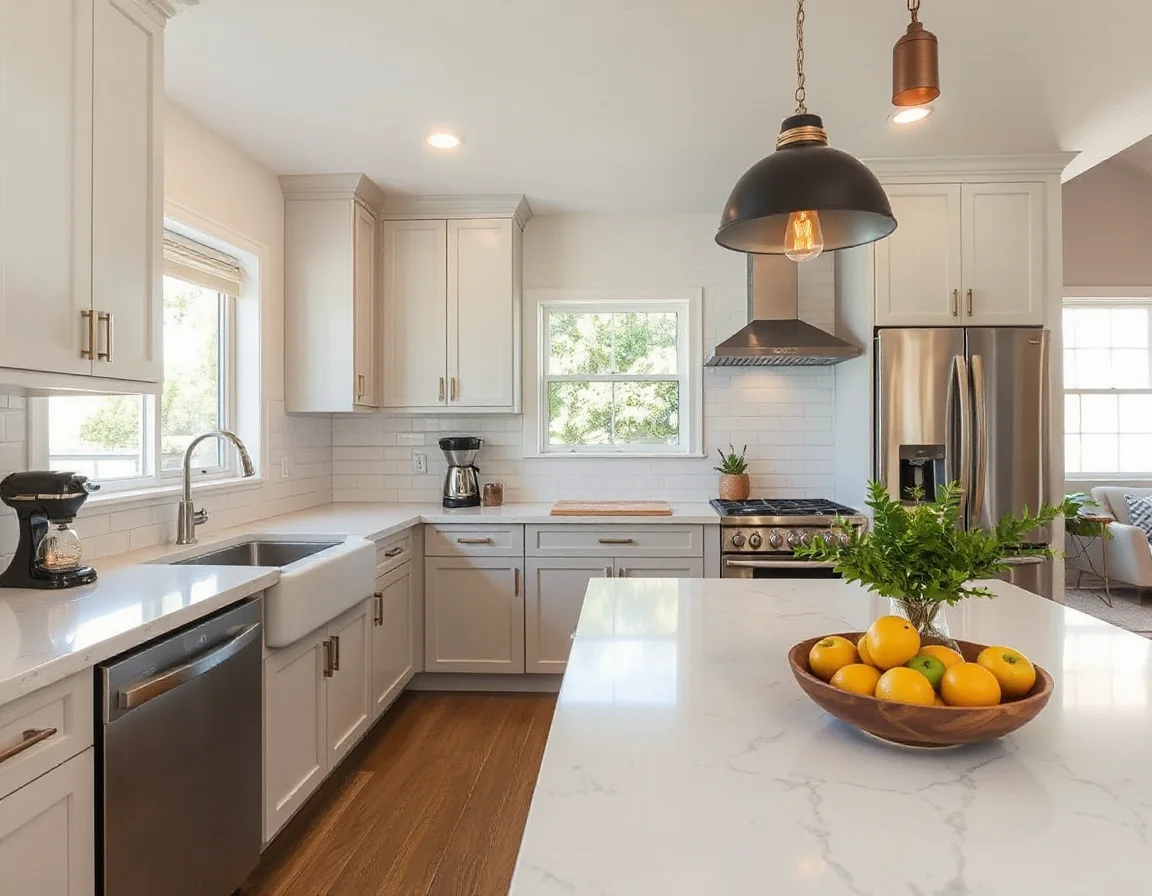
Fix three is the small-repair sweep. Tighten loose pulls, lubricate hinges, recaulk where old caulk is visibly cracked or discolored, and repair nail holes or scuffs that interrupt an otherwise smooth wall. If you repaint, choose a neutral, cohesive color that works with the existing flooring and permanent finishes. Patchwork touch-ups can draw attention, so stand back after the work is done and look for differences in sheen or texture.
For larger concerns, prioritize accurate information over a cosmetic shortcut. A seller may decide to obtain a professional evaluation, complete a repair, or disclose the condition according to applicable requirements. The right choice depends on the property and the issue. What matters for first impressions is that obvious maintenance items are not left to dominate a buyer’s walkthrough.
A useful pre-listing checklist is simple: if a buyer can touch it, turn it on, open it, or see it from across the room, inspect it before the first showing.
Edit Each Room So Its Purpose Is Easy to See
Space is easier to appreciate when the layout is legible. Overfilled rooms can feel smaller than they are, while rooms with no clear function can leave visitors uncertain about how the home lives day to day. Fix four is purposeful editing. Remove excess furniture, oversized storage pieces, personal collections, and anything that obstructs natural walking paths. Keep enough furnishings to communicate scale, comfort, and a practical use for the room.
Start with counters and floors. Kitchen counters often benefit from having only a few simple items visible. Bathroom counters should be similarly clear, with everyday products put away before showings. In bedrooms, make beds neatly and use bedding that does not overwhelm the room. Closets do not need to be empty, but reducing packed shelves and crowded hanging rods can help visitors understand the available storage.
This editing process is also a useful early step in moving preparation. Pack seasonal items, duplicate kitchen tools, rarely used books, and décor that does not add to the room. Labeling those boxes now can reduce last-minute work later. If a room has an unusual shape, show its flexibility with a clean, honest arrangement rather than trying to force a use that does not fit naturally.
Create a Showing-Ready Routine That Is Easy to Repeat
The final fix is less about one room and more about consistency. A home that is prepared once but difficult to maintain can become stressful when showing requests arrive. Build a short reset routine that can be completed efficiently: open window coverings, turn on selected lights, secure valuables and sensitive documents, empty small waste bins, wipe visible surfaces, and check the entry. Keep a basket or bin available for quickly storing daily items before leaving.
Pay attention to scent and sound, too. Fresh air and a clean home are more effective than strong fragrances, which can distract from the property itself. Avoid relying on scented products to cover an underlying issue; if there is a persistent odor from pets, moisture, cooking, or another source, address the source directly. During showings, a calm setting with televisions off and personal paperwork out of sight helps visitors focus on the home.
Before going live, consider asking for a second set of eyes from a knowledgeable real estate professional. Kati Mac of Real Brokerage can help sellers review presentation priorities, discuss local market context, and identify which improvements are likely to make the clearest difference before photographs and showings. Preparation does not have to mean replacing every finish. It means making the home’s strongest features easier to notice from the moment buyers arrive.
Talk with Kati about preparing your home
When these five fixes work together, the result is a listing that feels cared for, functional, and ready to explore. Begin with the exterior, bring in the light, resolve the visible details, simplify each room, and create a repeatable showing routine. That focused approach can make the preparation process feel manageable while giving every buyer a clearer, more confident view of the property.