

Pricing a home is more than choosing a number that sounds good: it is a strategy that shapes the first days of buyer attention, negotiation leverage, and the eventual net proceeds. A thoughtful price reflects recent comparable sales, today’s competition, property condition, and the pace of the local market—not simply an online estimate or a neighbor’s result from another season.
Start With the Market, Not the Memory
For many sellers, pricing is the most emotional decision in the entire process. A home may hold years of improvements, celebrations, hard work, and personal meaning, all of which are real and important. The market, however, evaluates a property through a different lens: location, condition, size, layout, recent closed sales, active alternatives, and current buyer demand. The goal is not to discount what makes a home special; it is to translate those strengths into a price that today’s buyers can understand and support.
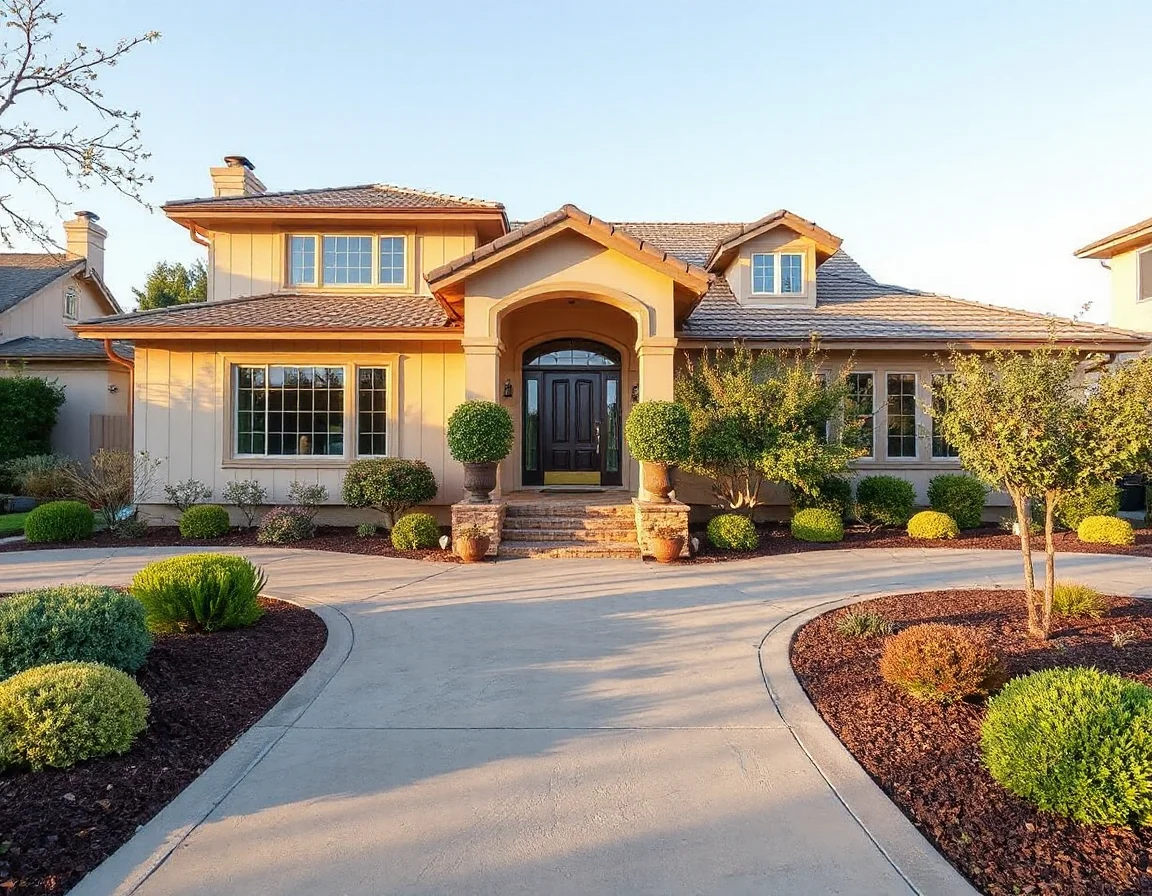
A reliable pricing conversation begins with recent closed sales, often called comparable sales or “comps.” These are homes that have actually sold, not just homes that were listed. Closed sales show what buyers were willing and able to pay under real market conditions. The most useful comparables are generally nearby properties with similar square footage, lot characteristics, bedroom and bathroom counts, condition, and appeal. A home with an updated kitchen, flexible living areas, outdoor improvements, or a particularly convenient setting may warrant an adjustment, but the adjustment should be grounded in evidence rather than wishful thinking.
Active and pending listings matter too. Active homes are the alternatives a buyer can see today, and pending homes can indicate where current demand is landing. If several comparable properties are available at lower prices, an ambitious list price can make a home appear out of step before buyers ever schedule a visit. On the other hand, a carefully positioned price can help a listing stand out for its value, features, and presentation.
The first one to two weeks often bring the clearest signal of market response. Strong showing activity, saved searches, questions, and offer interest can be more useful than waiting months for a price that the market has already rejected.
Online valuation tools can be a useful starting point, but they cannot walk through a property, compare finishes, notice deferred maintenance, or account for the specific feel of a street or setting. Their data can also lag behind the market. Use automated estimates as one input, then pair them with a current, local review of the home and the competition.
Why the Right Opening Price Matters
It is tempting to begin high “just to see what happens,” especially when there is no immediate deadline. Yet overpricing can create costs that are not always obvious at first. Buyers and their representatives typically watch new listings closely, and the newest properties often receive the strongest burst of attention. If a home misses that initial window because the price does not align with comparable options, it may remain on the market longer and eventually require a reduction.
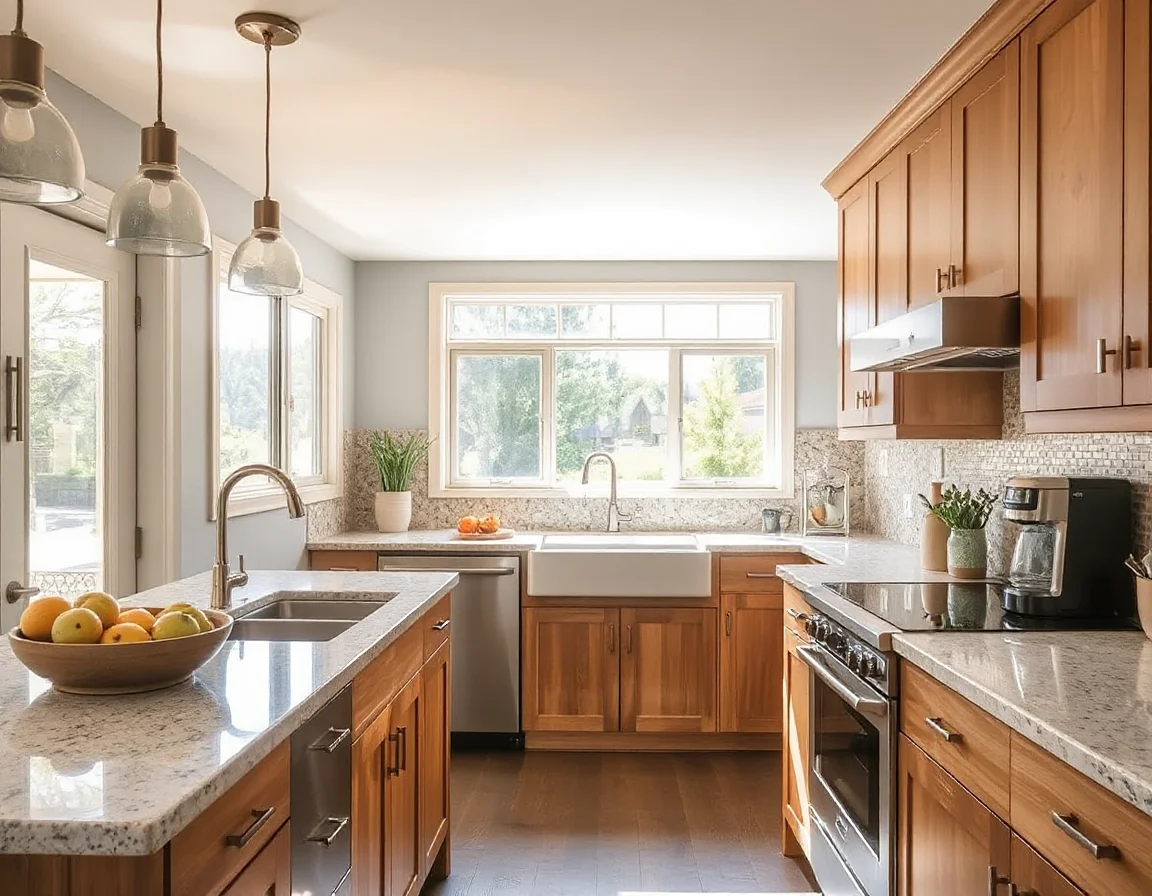
Price reductions are sometimes the right strategic move, but repeated adjustments can change how buyers perceive a listing. Some may wonder whether the home has been overlooked for a reason, even when the only issue was the original price. A well-supported opening price helps avoid that cycle and invites buyers to focus on the property itself: the layout, natural light, outdoor space, updates, storage, and the details that make it distinctive.
That does not mean there is one magic number. Pricing often involves a range, with the final decision shaped by seller goals and timing. Someone prioritizing a faster sale may choose a more competitive position. Someone with flexibility may select a price that allows room to test demand, provided it remains credible against current alternatives. The key is knowing what each approach is designed to accomplish and what tradeoffs may follow.
Seasonality can influence the strategy as well. In the Santa Cruz area and across coastal California, buyer activity can shift with school calendars, weather, local events, employment changes, interest-rate movement, and the number of homes coming to market. Market conditions can differ even between nearby communities, so broad headlines are less useful than an up-to-date review of the specific price range and property type.
A pricing plan should include a response plan. Before launch, decide which signals will be reviewed after showings begin and when a price, presentation, or marketing adjustment would be considered.
Prepare the Property So the Price Makes Sense
Pricing and presentation work together. A home priced in line with the market but photographed poorly, cluttered for showings, or burdened by visible maintenance concerns may still struggle to earn strong attention. Conversely, thoughtful preparation can make buyers more confident in the asking price. Cleaning, neutralizing visual distractions, improving lighting, completing small repairs, and arranging rooms to show their purpose can make a meaningful difference in how the property is experienced.
Sellers do not need to undertake every possible project before listing. The best improvements are usually those that address obvious condition issues or help a home compete with nearby options. Fresh paint, landscaping cleanup, hardware updates, repaired fixtures, and professional photography can often deliver a clearer benefit than a large renovation undertaken without a specific market reason. A local professional can help identify which steps are likely to improve presentation and which may not return their cost.
It also helps to separate investments from value. A seller may have spent substantially on a custom feature, but buyers may value it differently depending on current preferences and competing inventory. This is not a judgment about quality; it is simply how a market works. The strongest pricing plan recognizes upgrades while keeping the final number anchored to comparable evidence.
Look Beyond the Sale Price
The highest offer is not automatically the best offer. Once interest arrives, sellers should consider the complete terms: financing strength, down payment, inspection and appraisal contingencies, requested credits, closing timeline, included personal property, and the likelihood that the transaction will proceed smoothly. A slightly lower offer with more reliable terms may produce a stronger overall result than a higher offer with substantial uncertainty.
Net proceeds deserve equal attention. Closing costs, transfer-related expenses, loan payoff amounts, agreed credits, repairs, and timing can all affect what a seller ultimately receives. Reviewing likely proceeds before listing helps set a realistic target and prevents the asking price from becoming the only number in the conversation. It also creates a better framework for evaluating negotiations when they happen.
Clear communication is especially valuable here. Kati Mac’s Santa Cruz area market focus and direct accessibility can help sellers move from broad market information to a practical plan for their particular property. The right approach should be tailored to the home’s condition, the relevant comparable sales, current competition, and the seller’s priorities—not copied from a generic formula.
Talk through your selling plan
A Price Is a Strategy, Not a Guess
Successful pricing is a balance of data, preparation, timing, and flexibility. Sellers who begin with current evidence, present their home clearly, and monitor early feedback are better positioned to make decisions with confidence. Whether the market is moving quickly or buyers are taking more time to compare options, a strategic price gives the listing its best opportunity to earn serious attention.
Before setting a number, ask practical questions: Which recent sales most closely resemble the home? What will buyers compare it against this week? Which improvements are visible and compelling? What is the desired closing timeline? And how will feedback be evaluated after the listing launches? Thoughtful answers create a pricing plan that is responsive, realistic, and focused on the outcome that matters most: a well-managed sale on terms that support the seller’s next step.